Longevity stack
Longevity science has moved from fringe biohacking into mainstream medicine faster than almost any field in recent history. Two figures sit at the center of that shift: David Sinclair, a Harvard geneticist whose lab produced much of the foundational research on sirtuins and NAD+, and Bryan Johnson, a tech entrepreneur running a self-experiment called Blueprint in which he spends roughly $2 million per year attempting to reverse his biological age. The supplements they take — and the science behind them — now define what most people mean when they say "longevity stack."
NMN and NAD+ are the starting point for most longevity protocols. NAD+ (nicotinamide adenine dinucleotide) is a coenzyme present in every cell, essential for energy metabolism, DNA repair, and the activation of sirtuins — proteins that regulate cellular stress responses and aging. NAD+ levels fall roughly 50% between age 20 and 60. NMN (nicotinamide mononucleotide) is a precursor that the body converts into NAD+. Sinclair takes 1g of NMN daily and has written extensively about its role in sirtuin activation. Johnson's Blueprint includes NMN alongside NR, another NAD+ precursor, as part of a broader methylation and energy metabolism protocol. Supplementing NMN directly is now possible through products like Wonderfeel Youngr and Alive By Science's sublingual formulas.
Urolithin A operates through a different pathway: mitophagy. Mitophagy is the cellular process by which the body identifies and clears damaged mitochondria, the organelles responsible for producing cellular energy. As mitochondria accumulate damage over time, cellular energy production declines and inflammation increases. Urolithin A — produced when gut bacteria metabolize ellagitannins found in pomegranates and walnuts — activates mitophagy, effectively taking out the cellular trash. Timeline Nutrition's Mitopure is the only clinically validated Urolithin A supplement; it was the source material for the published human trials showing increased muscle strength and endurance in middle-aged adults.
Senolytics are compounds that selectively clear senescent cells — cells that have stopped dividing but remain metabolically active and secrete inflammatory cytokines, a process sometimes called the senescence-associated secretory phenotype (SASP). Senescent cells accumulate with age and are associated with tissue dysfunction and chronic inflammation. Quercetin and fisetin are the most studied natural senolytics. Resveratrol, while not strictly a senolytic, activates SIRT1 and works synergistically with NMN. Sulforaphane — found in broccoli sprout extracts like Jarrow's BroccoMax — activates the NRF2 pathway, the master regulator of cellular antioxidant defense.
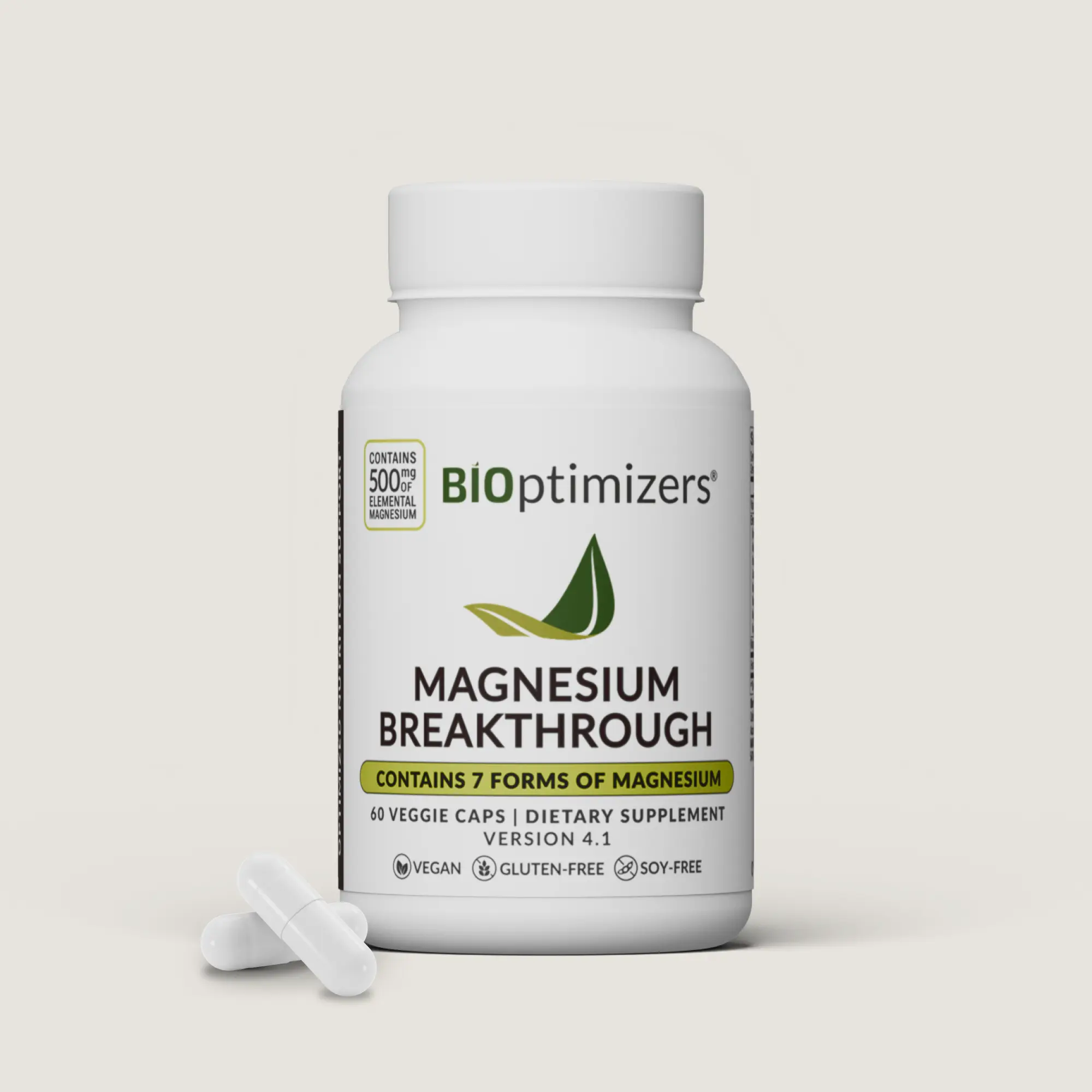
The foundation nutrients that appear in almost every longevity protocol: magnesium (critical for over 300 enzymatic reactions and significantly underconsumed in Western diets), Vitamin D3 with K2 (bone density, immune regulation, cardiovascular protection), omega-3 fatty acids (anti-inflammatory, cardioprotective), CoQ10 (mitochondrial energy production, essential for anyone on statins which deplete it), and taurine — a conditional amino acid that Johnson includes specifically based on research linking taurine deficiency to accelerated aging across multiple species.
The longevity stack is not a single protocol. Sinclair's stack emphasizes sirtuins and NMN. Johnson's Blueprint is more comprehensive and includes dozens of compounds dosed precisely to his biomarker data. What they share is a commitment to cellular-level intervention rather than symptom management — the goal is biological age, not just how you feel today.
 Sleep
Sleep Longevity
 Performance
 Longevity
 Longevity
 Longevity
 Longevity
