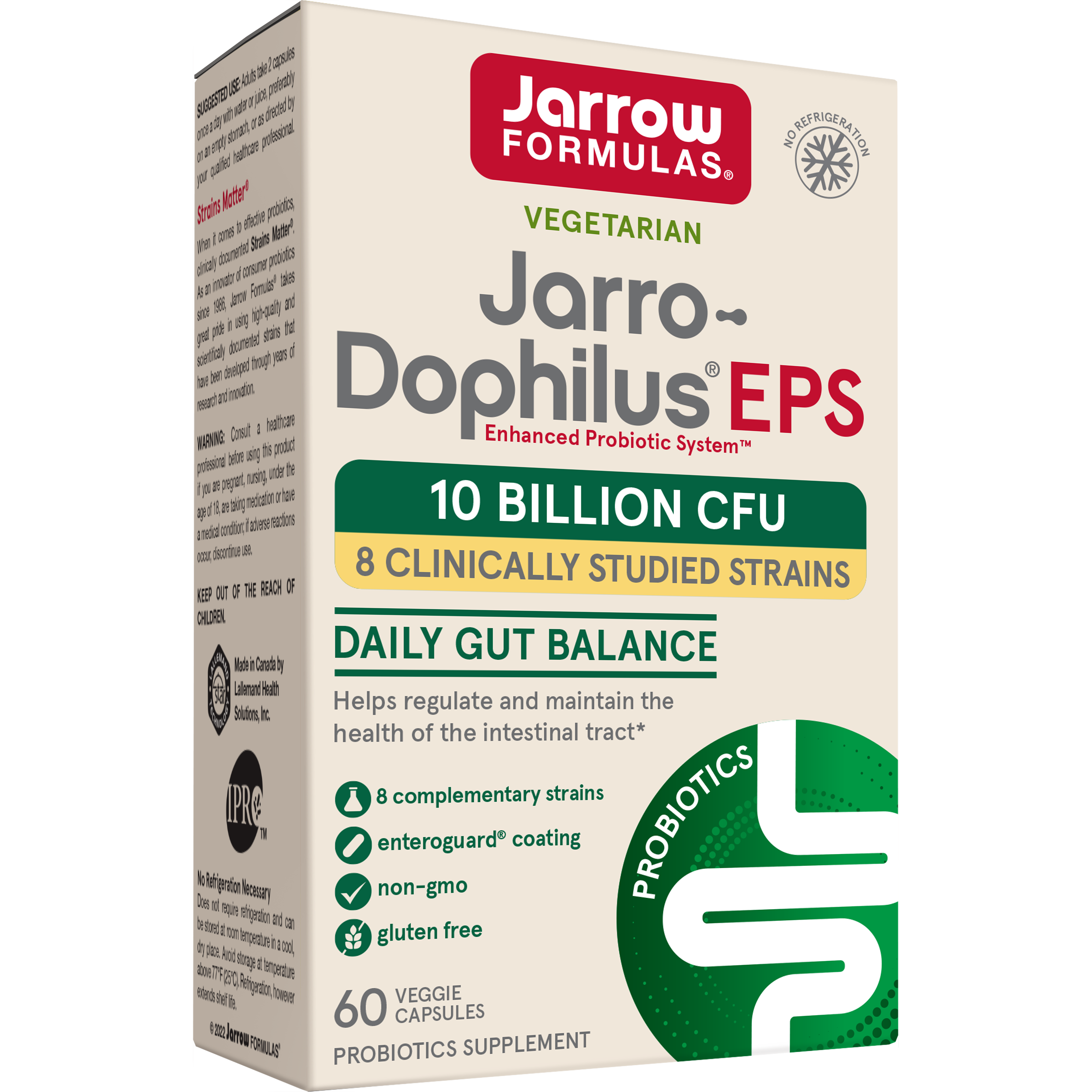
Gut health stack
The gut microbiome — the roughly 38 trillion bacteria, archaea, fungi, and viruses that inhabit the human digestive tract — has emerged as a central variable in health outcomes far beyond digestion. Gut bacteria produce neurotransmitters (including the majority of the body's serotonin), regulate the immune system, influence metabolic hormones including GLP-1, and maintain the intestinal barrier that prevents bacterial products from entering systemic circulation. Diversity is the core metric of gut health: a more diverse microbiome correlates with better metabolic health, lower inflammation, stronger immunity, and greater resilience to disruption from antibiotics or illness.
Probiotics vs. prebiotics vs. synbiotics. Probiotics are live bacteria delivered in supplement form. Their effectiveness depends on strain specificity, viability at the time of consumption, and their ability to survive gastric acid to reach the colon. Seed's DS-01 Daily Synbiotic uses a nested capsule system — an outer prebiotic capsule that is degraded in the stomach while protecting the inner probiotic capsule, which survives to deliver its 24 strains to the colon. Prebiotics are the fiber compounds that feed existing bacterial populations. Synbiotics combine both. The distinction matters: for people with severely dysbiotic microbiomes, adding probiotic strains may be less effective than first feeding the strains already present with prebiotic fiber.
Strain specificity is one of the most important and least understood aspects of probiotic selection. Different strains have different effects — Lactobacillus rhamnosus GG has strong evidence for preventing antibiotic-associated diarrhea; Akkermansia muciniphila is specifically linked to GLP-1 production and gut barrier integrity; Bifidobacterium longum has been associated with reduced anxiety and HPA axis reactivity. Generic "probiotic" products with high CFU counts but undisclosed strains offer little predictable benefit. The products in this stack are selected for published strain data and clinical trials.
Ginger, often overlooked in this category, has consistent evidence for reducing nausea, supporting gastric motility, and providing anti-inflammatory support to the gut lining. It's a useful foundational addition before or alongside probiotic supplementation.
 GLP-1
GLP-1
 Performance